Exploring Souq Waqif Market: Doha's Living Heritage
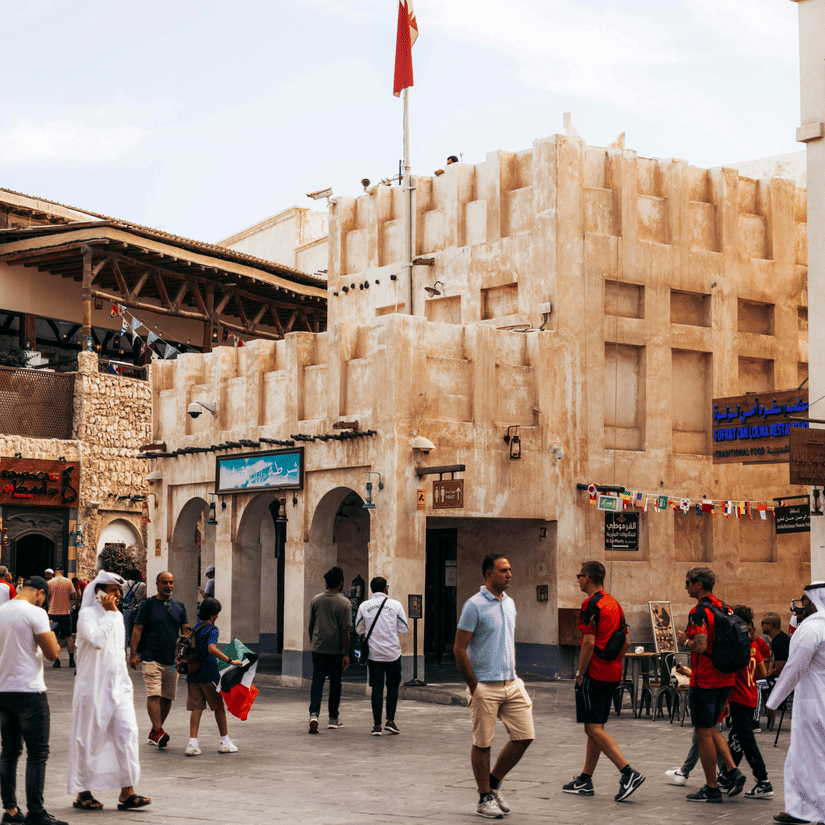
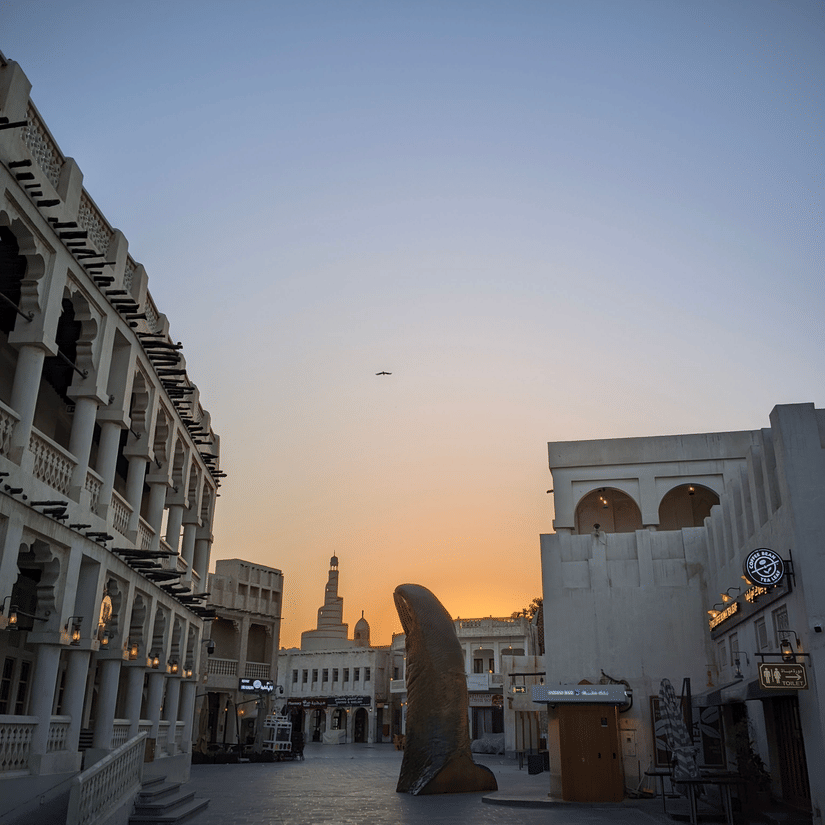
Restored in 2006, Souq Waqif Market preserves its mud-brick architecture, wooden beams, and covered walkways, with upgraded paving and lighting. Its name, meaning 'standing market', reflects its origins as a Bedouin trading post.
Wandering the alleys today means moving between:
Wandering the alleys today means moving between:
- Spice stalls: Piled with saffron, sumac, dried limes, and rose petals, often the first thing you smell before you see the shop itself
- Perfume shops: Selling oud, bukhoor, and traditional Arabic attars, a genuine local craft rather than a tourist gimmick
- Textile and abaya stores: Where tailors still make garments to measure alongside ready-made pieces
- Handicraft and souvenir stalls: Good for small, portable pieces like ceramics, lanterns. and woven goods
The atmosphere shifts noticeably by time of day. Mornings are quieter and better for unhurried browsing, while evenings bring the crowds, the smell of grills, and the sense of the whole market waking up at once.
The Souq Waqif Gold Market: Where Tradition Meets Luxury
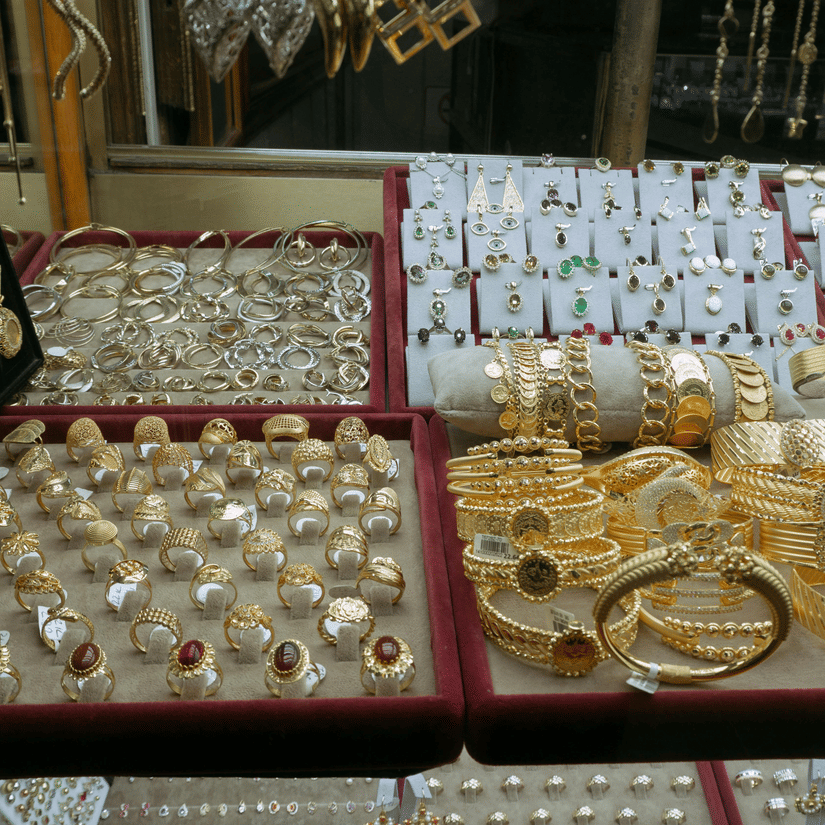
Adjoining the main market is the Souq Waqif Gold Market, a dedicated complex of jewellers specialising primarily in 18 and 22-carat gold, as well as platinum, silver, and gemstone jewellery. It sits close enough to the main souq lanes to feel like part of the same experience, even though it operates as a compact district in its own right.
Inside, expect to see:
Inside, expect to see:
- Elaborate bridal sets, often bought as a coordinated collection of necklace, earrings, and bracelet
- Arabic-script pendants, a popular souvenir choice for visitors wanting a name or word rendered in calligraphy
- Collections feature both traditional Qatari designs and contemporary, lightweight pieces created for everyday wear
Bargaining is expected here, politely and without pressure, and browsing without buying is entirely normal: jewellers are used to visitors simply admiring the craftsmanship. For a deeper look at pricing, karats and the wider Doha gold trade, our separate guide to the Gold Souq covers that ground in more detail.
Souq Waqif Shops: From Falcon Stores to Art Galleries
Beyond spices and gold, Souq Waqif Shops cover a genuinely wide range, and this is where the market earns its reputation as more than a place to buy souvenirs.
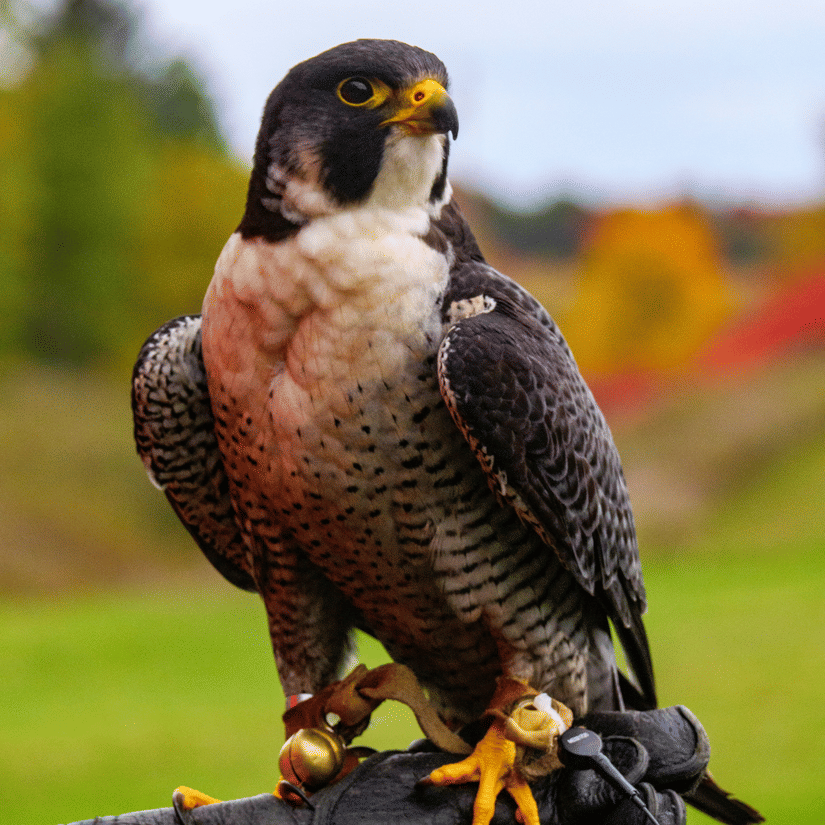
- The Falcon Souq: Tucked between Al Asmakh and Al Ahmed streets with its own gilded entrance plaque, it sells and displays falcons, Qatar's national bird. Visitors can view the birds up close, and in some shops, pose with one on a supervised perch.
- Traditional boutiques: Selling thobes, bisht cloaks, and ready-made Qatari formalwear, useful if you want a genuine piece rather than a mass-produced souvenir
- Art galleries: Several housed in restored courtyard buildings, showing work from regional and Qatari artists
- Antique and carpet dealers: Worth a look even if you are not buying, for the sheer range of pattern and craftsmanship on display
- Pet souq: Including the cats, dogs, rabbits, and more, which draw their own steady stream of buyers
Spanning falcon handlers, bespoke tailors, and art gallery owners, Souq Waqif shops give the market a rich atmosphere that goes far beyond a typical souvenir hunt.
Souq Waqif Restaurants: A Taste of Qatar
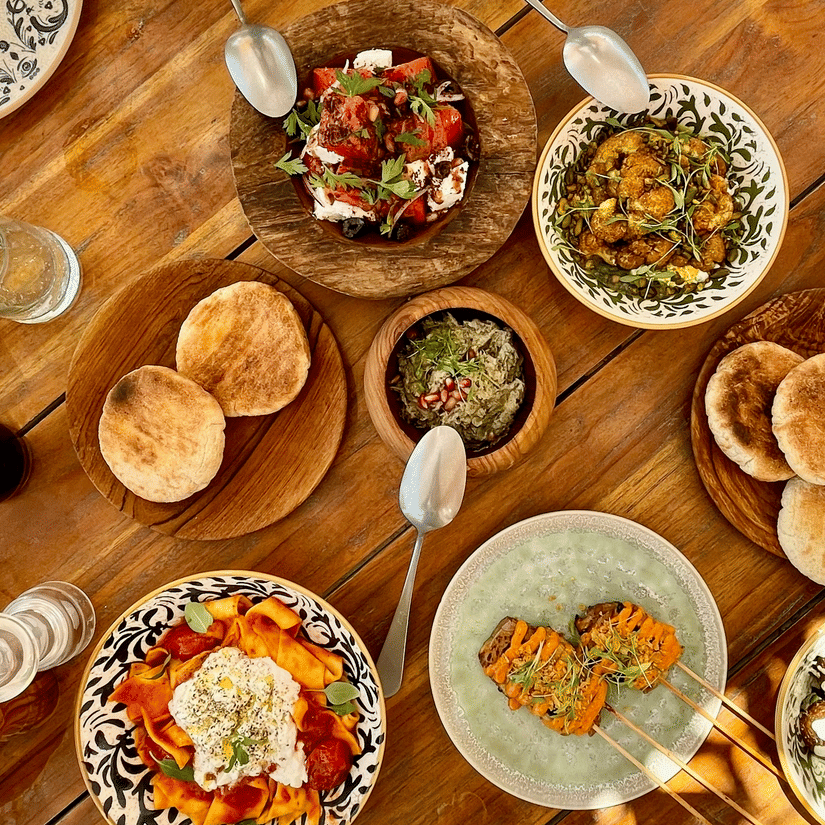
By evening, Souq Waqif Restaurants are arguably as big a draw as the shopping itself, with tables spilling into the courtyards and rooftop terraces filling up as temperatures drop, not far from the Souq Waqif Gold Market, where many evening visits begin.
- Middle Eastern and Qatari kitchens: Serving machboos, grilled meats, and mezze, often in courtyard settings with live ambient music
- Arabic coffee houses: Serving gahwa alongside dates, a genuinely traditional pause between shopping stops
- Seafood restaurants: Reflecting Doha's coastal position, with several rooftop spots offering views back over the market's lantern-lit rooftops
- International dining options: Beyond the souq's dedicated dining spots, options include Turkish and Lebanese grills to lighter cafe fare, offering groups with mixed tastes a vibrant sample of the street food scene in Doha.
Booking ahead is worth doing for the rooftop Souq Waqif Restaurants on weekend evenings, when tables fill quickly.
Tips for Visiting Souq Waqif
A little planning changes the experience considerably, whether your priority is the Souq Waqif Market lanes, the Souq Waqif Gold Market, the wider Souq Waqif Shops scene, or simply booking a table at one of the Souq Waqif Restaurants for the evening.
- Go late afternoon into evening: Doha comes alive at night, and many souq shops open around 4:00 PM and stay lively well into the night, when cooler temperatures and lantern lighting make walking far more pleasant than at midday
- Pair it with nearby attractions: The Museum of Islamic Art and the Doha Corniche are both within easy reach, making a half-day combination with other top Doha sightseeing spots
- Watch for cultural events: The souq regularly hosts seasonal festivals and cultural celebrations, live music in its courtyards, and heritage exhibitions, worth checking. Visit Qatar's events calendar before you travel.
- Bring a camera for the lanterns: The lantern-lit corridors and mud-brick archways photograph particularly well just after sunset, before the evening crowds peak
- Carry cash for smaller stalls: Larger shops take cards, but spice and souvenir stalls often prefer cash
Where to Stay near Souq Waqif: La Maison Hotel, Doha
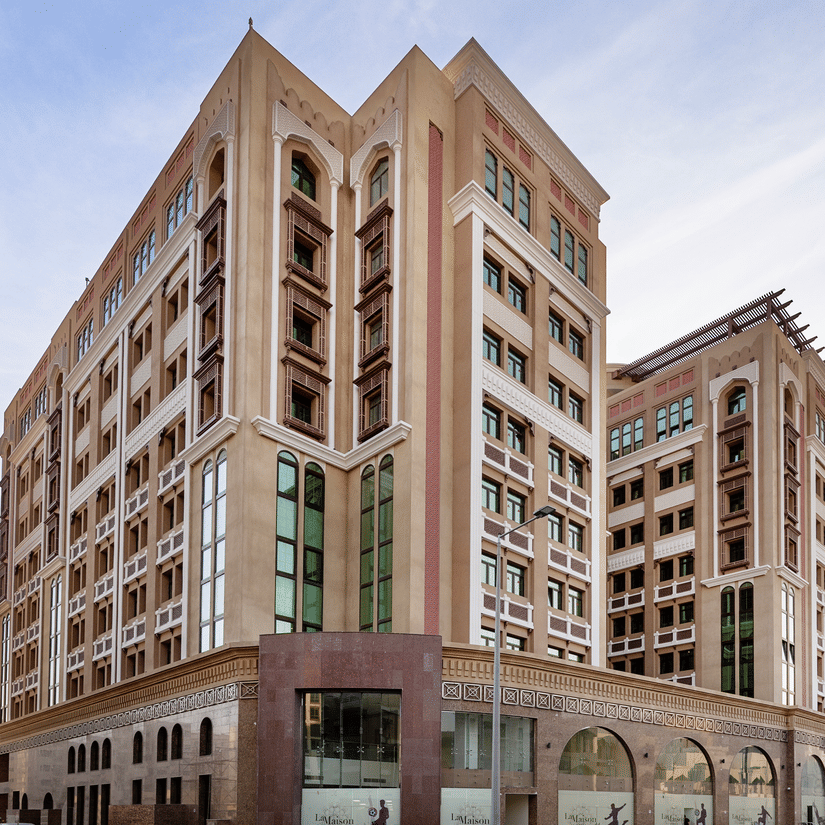
After a few hours wandering the Souq Waqif Market and browsing the Souq Waqif Shops, having a comfortable base nearby makes a real difference, and La Maison Hotel, Doha, sits around 3 km away, roughly a 4-minute taxi ride or a 21-minute metro journey via the nearby Bin Mahmoud Station on the Gold Line.
- Rooms: 364 accommodations across 3 towers, made up of Classic Rooms, Studios, One-Bedroom Apartments, and Two-Bedroom Apartments, with Arabic-inspired interiors in gold, white and dark wood tones
- Dining: Le Patio, the rooftop restaurant, serves international cuisine with skyline views, alongside a poolside juice bar for something lighter
- Facilities: A rooftop swimming pool, a fully equipped gym and health club, a rooftop jacuzzi, and prayer rooms, along with banquet and conference space
- Location: On Al Jazeera Street in the Bin Mahmoud area, close to both Bin Mahmoud and Al Sadd metro stations for easy onward travel
- Offers: Seasonal rates with savings of up to 15% on stays