A Food Culture Shaped by Region and Tradition
The diversity of Arabic food becomes immediately clear when comparing regions. A Levantine mezze spread differs entirely from a slow-cooked Gulf rice dish, yet both belong to the same culinary identity.
The Levant—Lebanon, Syria, Jordan, and Palestine—leans towards fresh, vibrant flavours, with olive oil, lemon, parsley, and sesame forming the backbone of many dishes. Gulf cuisine reflects centuries of maritime trade, incorporating spices such as cardamom, turmeric, saffron, and dried lime. North African Arab cuisine introduces preserved lemons, slow-braised dishes, and complex spice blends like ras el hanout.
Despite these regional differences, one principle remains constant: food is meant to be shared. This philosophy of hospitality—known as diyafa—defines every Arabic dining experience.
Must-try Arabic Dishes: Levantine Favourites
Levantine cuisine is built on contrast—smoky and fresh, rich and tangy, creamy and crisp.
- Hummus: A smooth blend of chickpeas, tahini, lemon juice, and garlic, finished with olive oil.
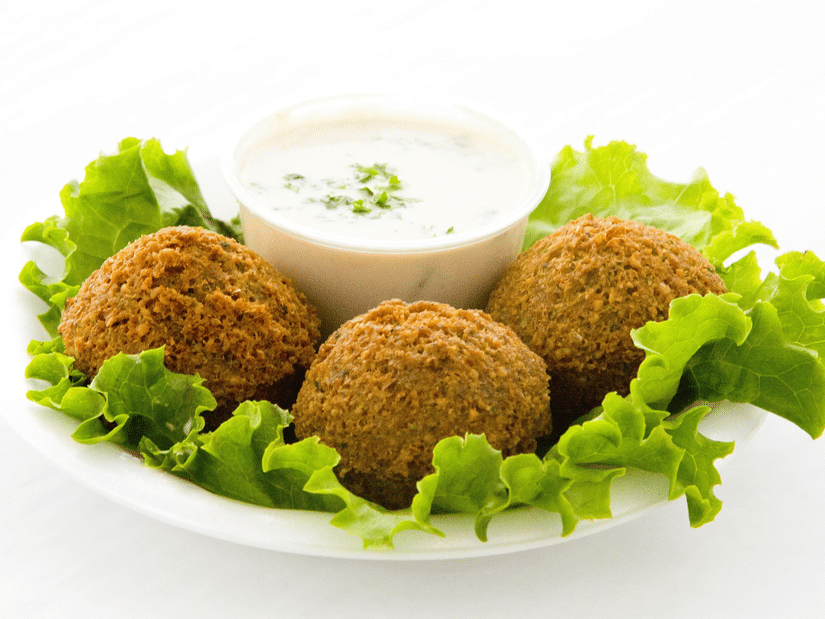
- Falafel: Deep-fried balls made from ground chickpeas or fava beans, seasoned with herbs and spices.
- Mezze Platter: A selection of small dishes such as tabbouleh, baba ganoush, labneh, olives, and stuffed vine leaves.
Must-try Arabic Dishes: Gulf and Grill Classics
Gulf cuisine is defined by depth of flavour and slow cooking techniques, influenced by trade routes connecting the Middle East with India, Persia, and East Africa.
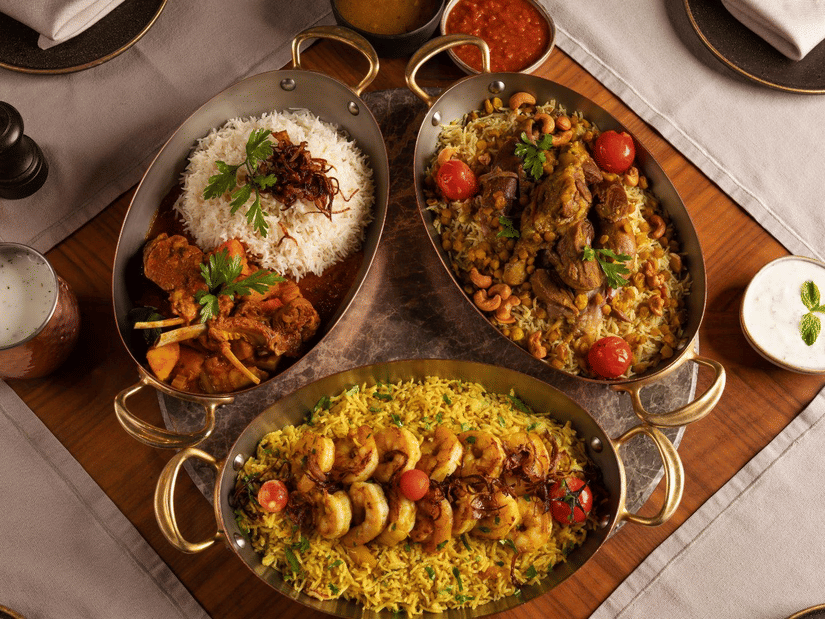
- Mandi: A traditional rice and meat dish, typically lamb or chicken, cooked slowly with spices and often smoked.
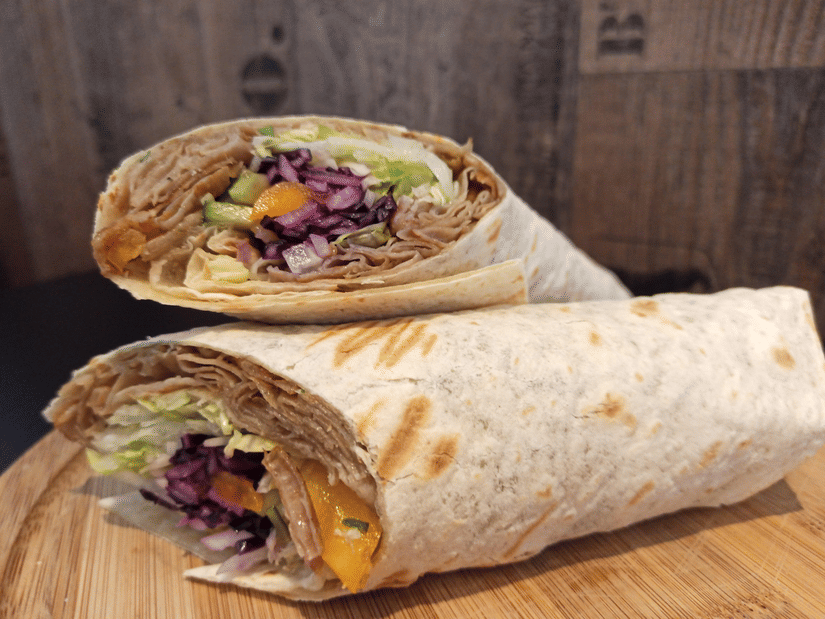
- Shawarma: Marinated meat cooked on a vertical rotisserie and wrapped in flatbread with sauces and vegetables.
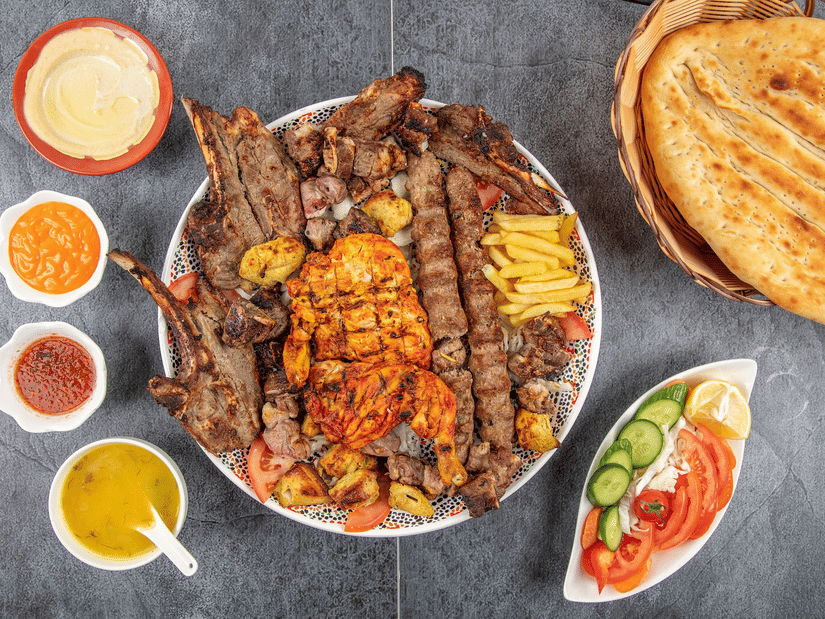
- Kebabs: Grilled meats prepared in various styles and cooked over charcoal for a smoky flavour.
The Ingredients Behind Every Great Arabic Meal
Arabic cuisine relies on a pantry of simple yet essential ingredients. Olive oil, chickpeas, lentils, lamb, rice, and dates form the foundation of many dishes across the region.
Key Spices and Seasonings
- Sumac: A tangy spice used in salads and meats.
- Za’atar: A blend of herbs, sesame seeds, and sumac.
- Baharat: A warm spice mix used in rice and meat dishes.
- Cardamom: Widely used in both savoury cooking and Arabic coffee.
Cooking Techniques That Define the Flavour
Slow cooking lies at the heart of Arabic cuisine, allowing flavours to develop over time. Charcoal grilling adds smokiness to meats, while traditional clay ovens produce soft, blistered flatbreads.
In Gulf regions, underground pit cooking is used for dishes like mandi, ensuring deep infusion of spices into the meat.
The Communal Art of Arabic Dining
Arabic meals are centred around sharing. Dishes are placed in the middle of the table, and diners eat together using bread to scoop dips and flavours.
Meals are unhurried, and hospitality is expressed through abundance, making every gathering warm and welcoming.
Food, Family, and Celebration
Food plays a central role in celebrations across the Arab world. During Eid, elaborate meals are prepared, while Ramadan transforms dining routines with iftar and suhoor meals.
The tradition of diyafa ensures that every guest is welcomed with generosity and care.
Arabic Drinks: More Than Refreshment
- Qahwa: Lightly roasted Arabic coffee flavoured with cardamom.
- Mint Tea: Sweetened tea, especially popular in North Africa.
- Jallab: A refreshing drink made with grape molasses and rose water.
- Tamarind Juice: A sweet and tangy beverage commonly enjoyed during Ramadan.

Sweet Endings: Desserts Worth Saving Room For
- Baklava: Layered pastry filled with nuts and syrup.
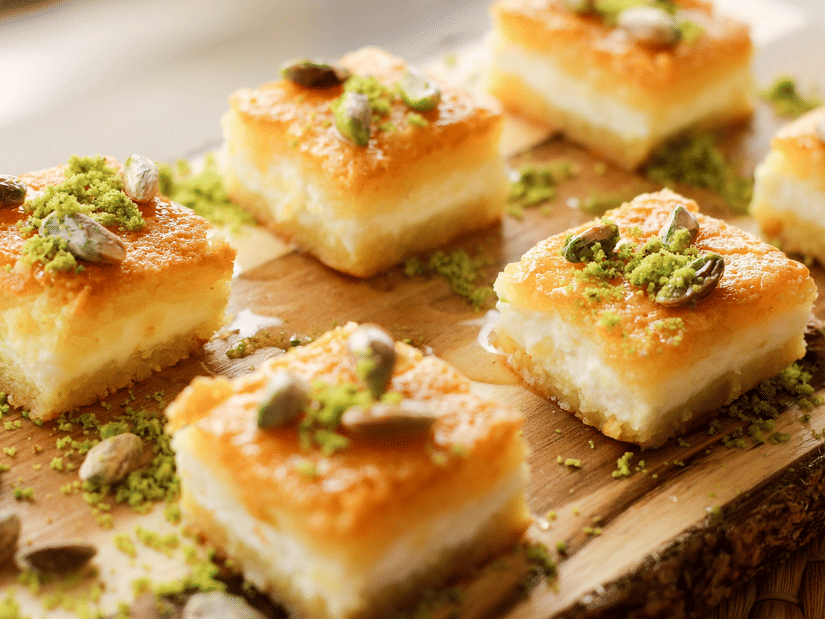
- Kunafa: Shredded pastry layered with cheese or cream.
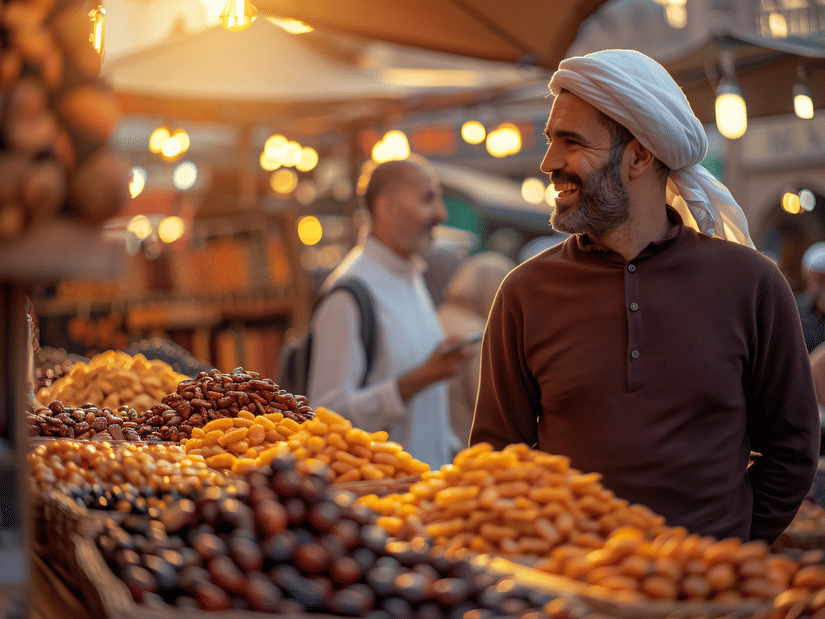
- Dates: A culturally significant fruit often served fresh or stuffed.
- Umm Ali: A warm Egyptian dessert similar to bread pudding.
Exploring Arabic Cuisine in Doha
Doha offers a rich introduction to Arabic cuisine, blending tradition with modern dining. Souq Waqif remains the city’s most immersive culinary destination, with traditional Qatari dishes, grilled meats, and street food creating a vibrant atmosphere.
Neighbourhoods such as Al Sadd and Bin Mahmoud are known for everyday dining, offering Lebanese, Yemeni, and Egyptian flavours. Cultural destinations like Katara Cultural Village further enhance the experience with curated dining settings.
Your Base for Exploring Arabic Food in Doha
For travellers looking to explore Doha’s culinary landscape, staying in a central location makes all the difference. Bin Mahmoud offers easy access to both traditional and contemporary dining spots across the city.
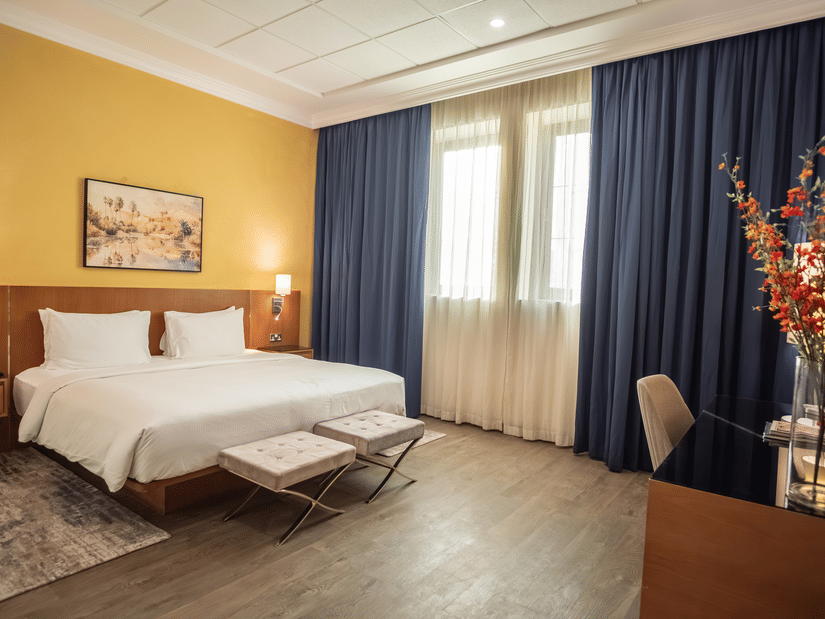
La Maison Hotel, Doha, located on Al Jazeera Street, places guests within close reach of Souq Waqif, Al Sadd, and key cultural attractions. With comfortable rooms, serviced apartments, and dining options like Le Patio, it provides a convenient and well-connected base for your stay.